


Bone and Joint Injury Symptoms and Warning Signs
Bone and joint injuries can look different depending on the cause and severity, but there are a few common signs to watch for.
Common symptoms may include:
- Pain in a bone, joint, or surrounding area
- Swelling or tenderness
- Bruising
- Stiffness
- Reduced range of motion
- Pain with walking, lifting, or using the affected area
- A feeling that the joint is weak or unstable
Signs you should seek prompt medical evaluation include:
- Trouble putting weight or using on an arm, wrist, leg, or ankle
- Severe swelling or worsening pain
- Visible deformity
- Numbness or tingling
- A joint that feels like it slipped out of place
- Symptoms that are not improving with rest
Sprains, strains, minor fractures, and other bone and joint injuries can have overlapping symptoms that can make self-diagnosis difficult. A clinical evaluation helps determine what is causing your symptoms and what kind of treatment is most appropriate.
What Causes Bone and Joint Injuries?
Bone and joint injuries happen when the body is placed under more force or strain than it can comfortably handle. This may happen suddenly during a fall, twist, collision, or sports injury, or it may occur gradually from repeated movement and overuse. In Georgia, active outdoor routines, recreational sports, physically demanding work, and everyday slips or missteps can all contribute to these injuries.
Since symptoms can overlap from different problems, an accurate diagnosis is important. Knowing whether you are dealing with a minor fracture, sprain, strain, or joint irritation helps guide the right treatment plan and supports a safer recovery. Correctly identifying a minor fracture, sprain, strain, or general joint irritation is crucial for determining the best treatment plan and ensuring a safe recovery.
Falls and Sudden Impact
A fall, collision, or direct blow can injure a bone or joint upon impact. This kind of force may lead to swelling, bruising, pain, or difficulty moving the area normally. Injuries (such as non-displaced fractures) from sudden impact are common during sports, playground activities, and everyday accidents at home, work, or on the go.
Twisting Injuries and Overextension
Bones and joints can also be injured when an area is twisted, bent awkwardly, or pushed beyond its normal range of motion. This often affects the knees, shoulders, ankles, wrists, and elbows. These injuries may happen during exercise, quick directional changes, lifting, or stepping the wrong way.
Repetitive Stress and Overuse
Some bone and joint problems (such as back pain) develop more gradually from repeated movement, strain, or irritation over time. This can lead to ongoing pain, stiffness, and inflammation, especially when the same area is used again and again. Overuse injuries are common in athletes, active adults, and people with physically repetitive jobs or routines.
Bone and Joint Care: Testing and Diagnosis
When you visit Piedmont Urgent Care for bone or joint pain, your provider will start by asking about your symptoms, how the injury happened, and any relevant medical history. A focused physical exam will check for swelling, tenderness, stability, strength, and range of motion. Depending on your symptoms, diagnostic testing may also be recommended, such as X-rays or other evaluation tools.
This process helps confirm the cause of your pain, identify whether the injury is mild or more serious, and rule out concerns that may need a different level of care. Clear, timely diagnosis can help you avoid unnecessary delays and get started on the right treatment plan sooner.
Bone and Joint Treatment at Piedmont Urgent Care
Treatment for bone and joint injuries depends on the area involved, your symptoms, your age, and your medical history. For many patients, conservative care is enough, including rest guidance, activity modification, bracing or support, and steps to help reduce pain and swelling. When clinically appropriate, your provider may also recommend or prescribe medication to support recovery.
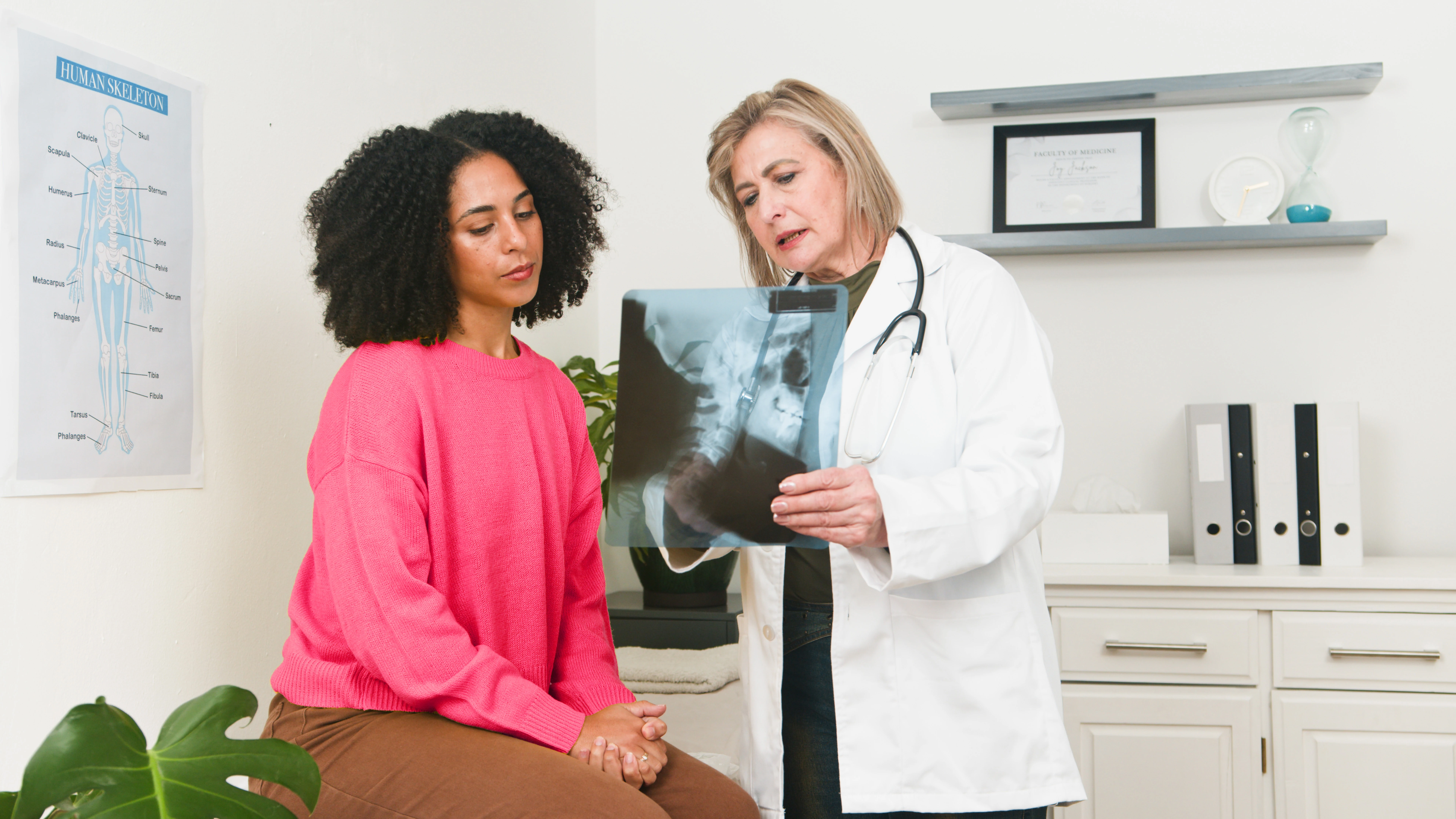
Before you leave, you’ll receive clear discharge instructions that explain how to care for the injury at home, what activities to avoid, and when to return for follow-up care if symptoms do not improve or worsen. Whether you walk in, book ahead online, or choose a virtual visit, Piedmont Urgent Care makes it easier to get expert care for bone and joint injuries across Georgia.
Frequently Asked Questions
Do I need urgent care or the emergency room for a bone or joint injury?

Urgent care is appropriate for many non-life-threatening bone and joint injuries, including sprains, strains, minor fractures, and joint pain. If you have severe bleeding, a visibly deformed limb, loss of consciousness, or another medical emergency, call 911 or go to the nearest emergency room.
Can urgent care tell if my ankle is broken or just sprained?

What should I do if I hear a pop in my knee or shoulder?
Can urgent care treat sports injuries?
Do I need an appointment for bone and joint care?